Overview
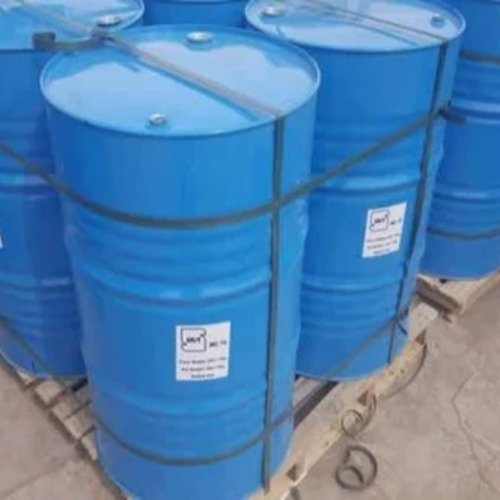
Cationic Bitumen Emulsion
In view of the environment friendly and user-friendly approach bitumen emulsions have their own importance in the field of road constructions. Cationic emulsion is an emulsion produced by suspension of bitumen particles in water to form a stable emulsion using emulsifiers and stabilizers. Cationic emulsions are positively charged particles.
Bitumen is actually pourable at elevated temperature above 150 Deg C hence it becomes expensive to heat bitumen for road application whereas bitumen emulsions are pourable at ambient room temperatures. This product is used for pothole repairs, tack coat, surface dressing, stress absorbing membrane (SAM) , fog seal and as a primer in all road constructions.
This is some time substitute of bitumen 80/100 or VG 10 comparatively economic than bitumen VG-10 This product can be used without heating and we save fuel cost and labors cost. Bitumen emulsions are classified into different categories based on their setting times, which determine how quickly the emulsion breaks down, and the bitumen particles coalesce.
Rapid Setting Bitumen Emulsion:
Rapid-setting emulsions break down quickly, usually within a few seconds to a few minutes. These emulsions are primarily used for patching and repair work, including pothole filling and pavement maintenance. Their rapid setting allows for speedy road repairs, making them ideal for emergency fixes and minor road maintenance projects.
Medium Setting Bitumen Emulsion:
Medium-setting emulsions have a moderate setting time, typically within the range of minutes to hours. Medium-setting emulsions are versatile and can be used in various road construction and maintenance projects. They are suitable for applications like chip sealing, surface dressing, prime coating, and tack coating. These emulsions provide a balance between setting time and workability, making them valuable for various paving and maintenance tasks.
Slow Setting Bitumen Emulsion:
Slow-setting emulsions take longer to break down, often hours to days. Slow-setting emulsions are typically used for more extensive projects, such as slurry seals, micro surfacing, and soil stabilization. Their slower setting allows for extended workability and application in more significant construction and road improvement projects.